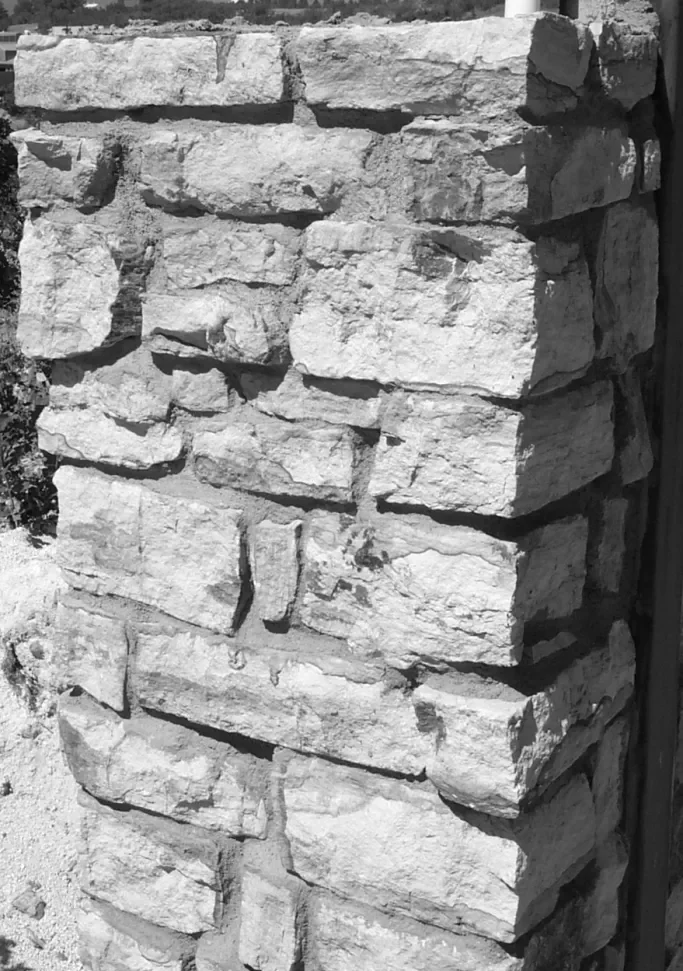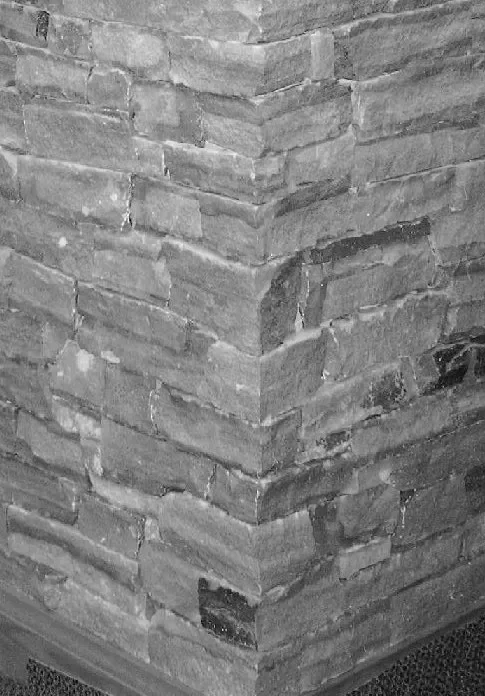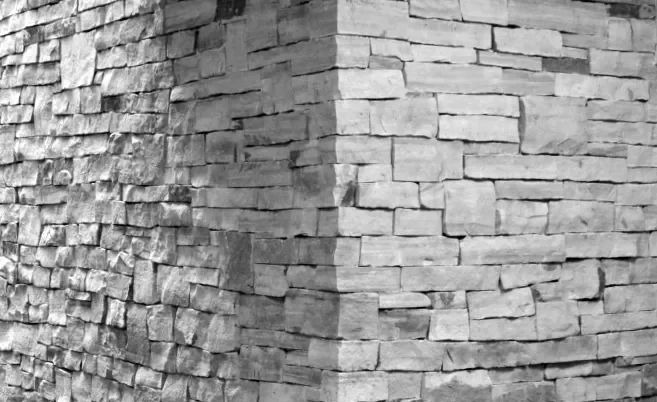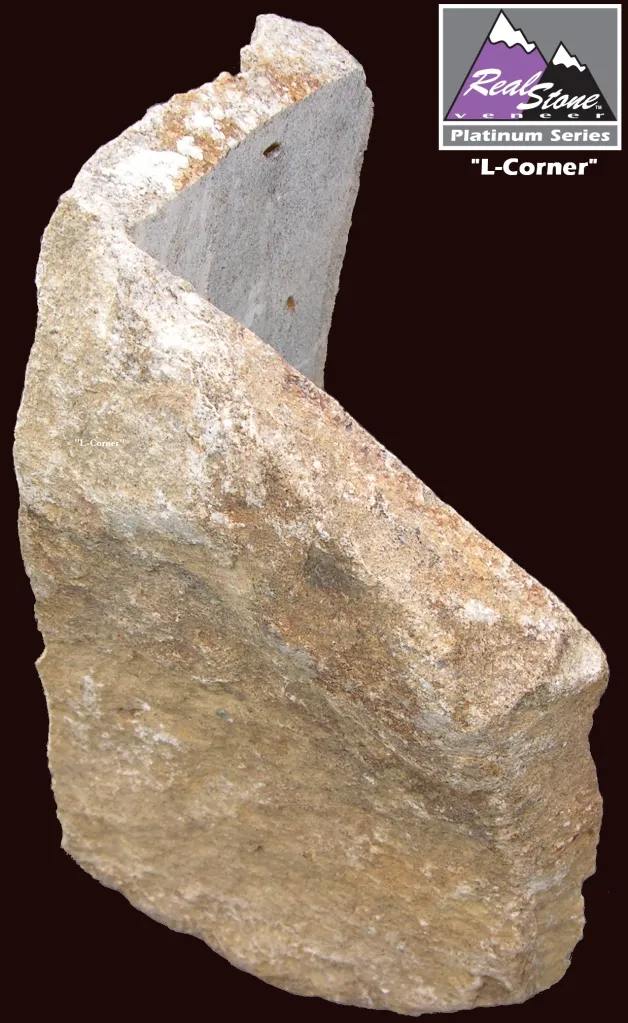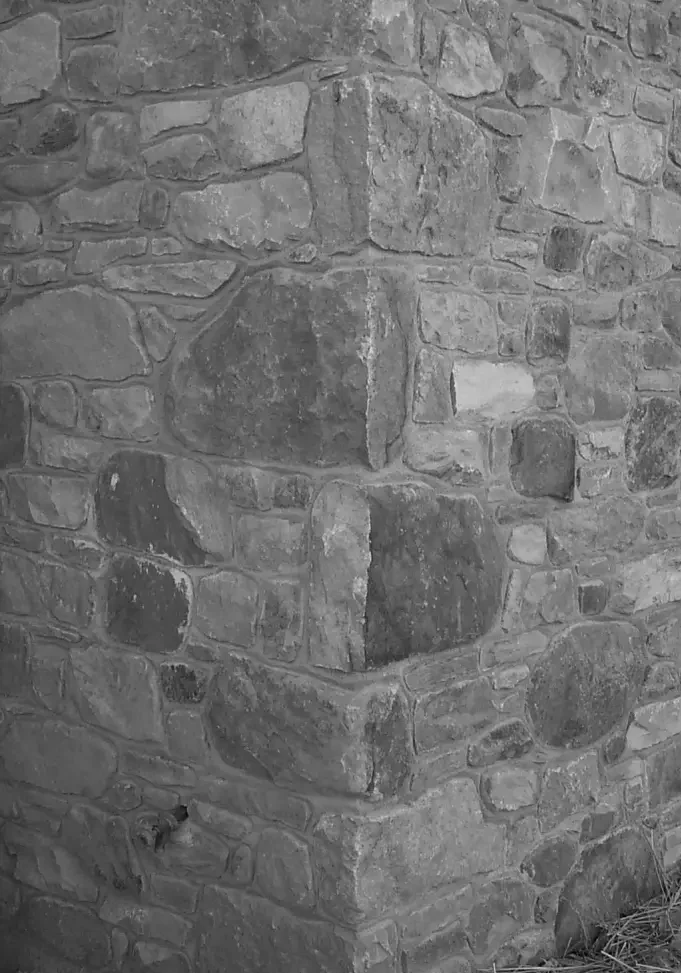

Natural stone brings timeless character, durability, and natural variation to every project, but choosing the right product often comes with questions. This FAQ covers the basics of building stone, thin veneer, landscape stone, installation, care, and bluestone alternatives so you can better understand your options and choose the right material for your project.
Product Basics
What is the difference between building stone, thin veneer, and landscape stone?
Building stone is typically used for fuller masonry-style applications, thin veneer is a lighter stone cut for adhered wall systems, and landscape stone is used for outdoor hardscape and decorative work.
Is thin veneer real stone?
Yes. Natural thin veneer is real quarried stone that has been cut to a thinner profile for easier handling and installation.
How thick is thin veneer stone?
Thin veneer is typically around 1 inch thick, though exact dimensions vary by product and profile.
When should I use full-bed stone instead of thin veneer?
Full-bed stone is generally chosen when the project calls for a deeper, traditional masonry look or when the design specifically requires full-thickness stone.
What is natural stone used for?
Natural stone is commonly used for facades, fireplaces, retaining walls, patios, steps, caps, and landscape features.
Comparing Stone Types
What is cultured stone?
Cultured stone is a manufactured product designed to imitate the look of natural stone.
What is the difference between natural stone and cultured stone?
Natural stone is quarried from the earth, while cultured stone is man-made; natural stone is usually chosen for authenticity and long-term durability, while cultured stone is often lower cost and lighter weight.
Is natural stone more expensive than cultured stone?
Usually, yes upfront, but many buyers feel the appearance and longevity justify the cost.
Does cultured stone look real?
It can look convincing from a distance, but many buyers ask how close it comes to natural stone in texture, color, and long-term appearance.
Is natural stone better than cultured stone?
It depends on the project, but natural stone is often preferred when authenticity, longevity, and unique character matter most.
Selection and Specification
What should I ask before buying stone?
Ask about thickness, porosity, finish options, origin, intended use, and whether the stone is right for your climate and project type.
How do I find the right natural stone for my project?
Start with the application, climate, desired look, and required thickness or finish.
How porous is the stone?
Porosity matters because it affects stain resistance, sealing needs, and maintenance.
What finishes are available?
Natural stone is often available in a range of finishes, and the right one depends on the look and performance you want.
Is the stone strong enough to span?
Some stones are better suited to spanning than others, so thickness and stone type should be matched to the application.
Installation and Contractor Questions
How is stone veneer installed?
Stone veneer is installed over a properly prepared surface using the correct mortar, bonding method, and detailing for the application.
What mortar or thinset should be used?
The right mortar or thinset depends on the veneer type, substrate, and installation conditions.
What are common stone installation mistakes?
Common problems include poor substrate preparation, the wrong mortar or adhesive, moisture intrusion, and poor detailing or flashing.
What should I ask a stone contractor?
Ask about experience, references, insurance, installation methods, curing conditions, and past projects similar to yours.
Can stone be installed over my existing wall or substrate?
Sometimes yes, but it depends on the condition of the substrate, moisture management, and the stone system being used.
Is thin veneer homeowner-friendly?
It can be, but it still requires careful prep, layout, and proper bonding.
Care and Maintenance
Does natural stone need to be sealed?
Often yes, especially for porous stone or installations exposed to moisture, spills, or staining.
How often should natural stone be resealed?
It depends on the stone and use, but many sources suggest every 1 to 3 years, with higher-traffic or wetter areas needing more frequent resealing.
How do I clean natural stone?
Use pH-neutral cleaners and avoid harsh acids, bleach, and abrasive products.
What causes stone to fail or loosen?
Usually moisture, poor installation, or using the wrong product for the job.
How do I keep natural stone looking its best?
Choose the right stone for the application, maintain it properly, and follow the recommended cleaning and sealing schedule.
Landscape and Outdoor Use
Can natural stone be used outdoors?
Yes, but the stone should be matched to the application, exposure, and climate.
What stone is best for patios or pool decks?
That depends on slip resistance, durability, heat, appearance, and local weather conditions.
What stone is best for walls and facades?
Thin veneer and full-bed building stone are both common choices, depending on the look you want and how the project is built.
What is landscape stone used for?
Landscape stone is commonly used for retaining walls, garden accents, edging, steps, patios, and decorative outdoor features.
What stone works best in freeze-thaw climates?
Durability and moisture performance matter most in freeze-thaw conditions, so stone choice should be matched carefully to the local climate.
Bluestone Alternatives
What are the best bluestone alternatives?
Limestone, granite, and certain paver or manufactured products are common alternatives depending on the look and performance needed.
Is limestone a good substitute for bluestone?
Yes, many suppliers position limestone as a cooler, more versatile alternative for patios, pool decks, coping, and driveways.
Why do people look for bluestone alternatives?
Common reasons are cost, thickness consistency, easier installation, and better durability in certain climates.
Are there pavers that look like bluestone?
Yes, many homeowners and designers ask about paver or stamped-concrete options that mimic the look of bluestone.
How do I choose between bluestone and an alternative?
Compare appearance, cost, thickness, maintenance, and how well the material performs in your climate and application.
Buying and Value
How much does stone veneer cost per square foot?
Stone veneer cost varies by product, labor, and complexity, and installed prices can differ significantly by project type.
What should I ask a natural stone supplier?
Ask about inventory, origin, grade, thickness, finish options, and whether the stone is suited to your project.
Why should I use natural stone instead of another material?
Natural stone is chosen for its appearance, durability, and long-term value.
Does natural stone add value?
That is a common buyer concern, and many homeowners choose stone because of its curb appeal and perceived long-term value.
What is the best stone for my project?
The best stone depends on the application, climate, desired look, budget, and whether you need full-bed, thin veneer, or landscape material.