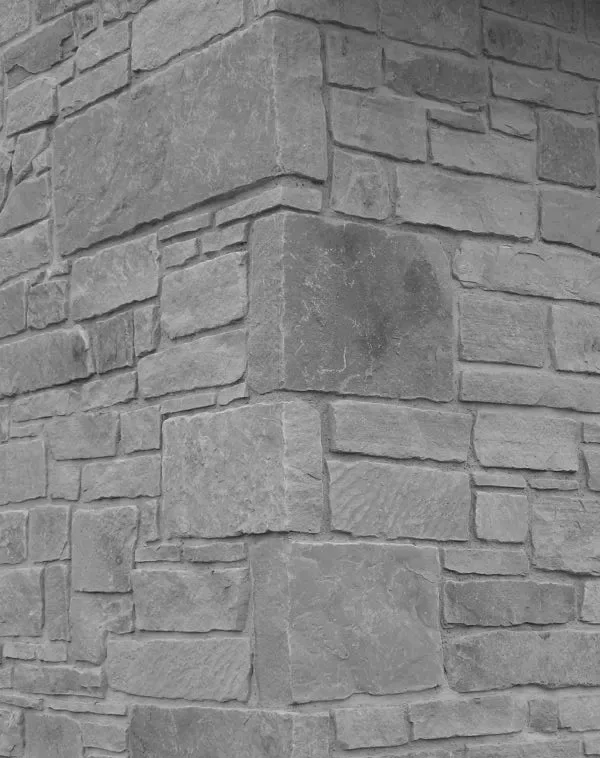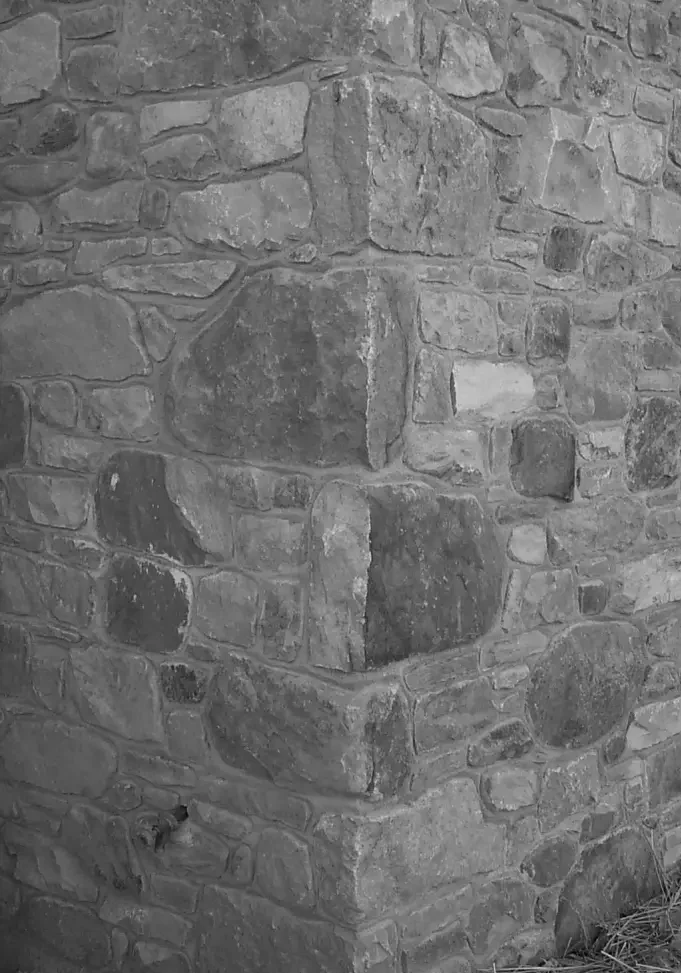

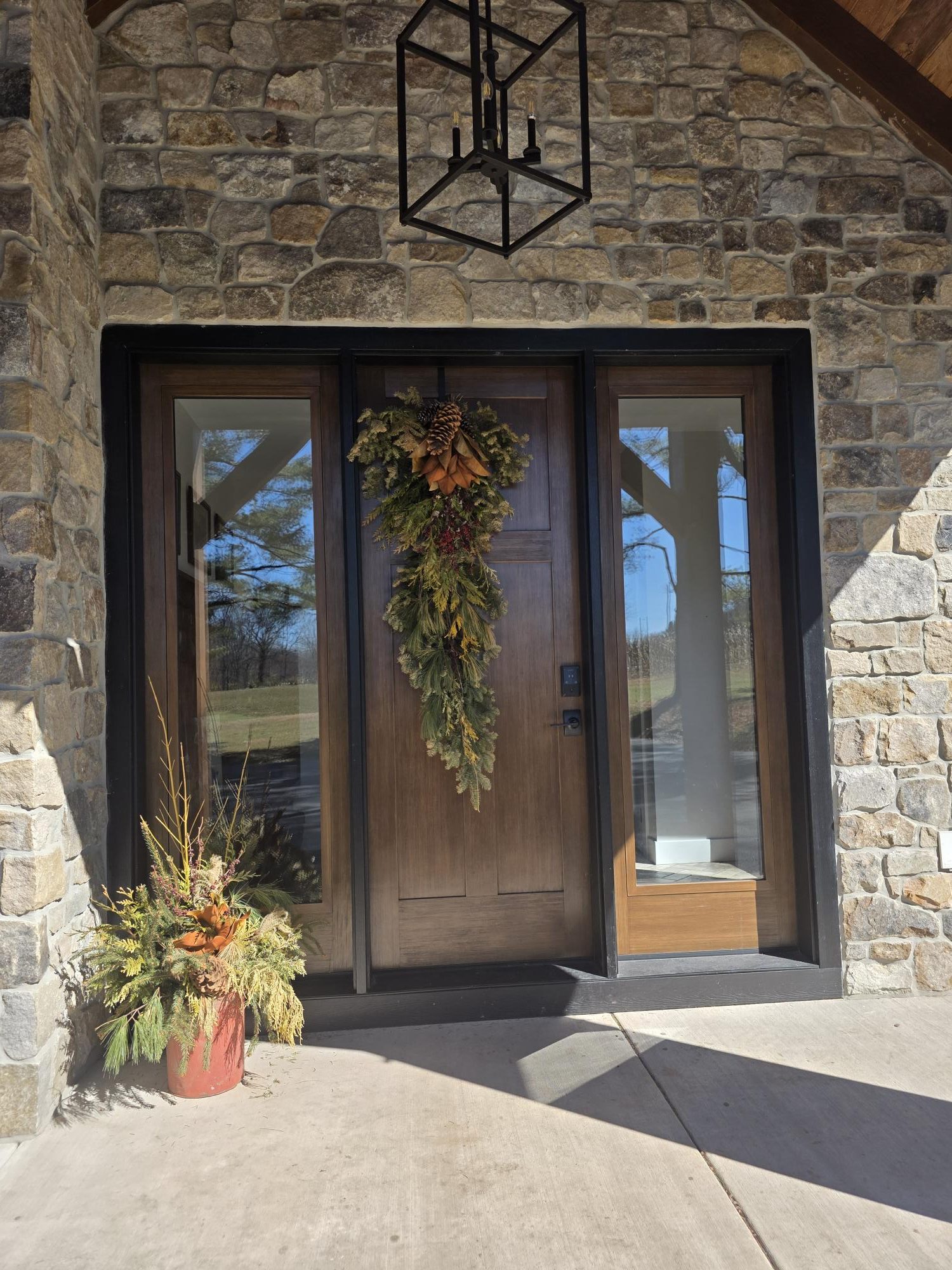
When selecting materials for an enduring structure, nothing matches the authenticity, permanence, and character of natural stone. It carries a distinct geological identity that man-made replicas cannot match.

Yet one of the most critical conversations we have across our yard and conference tables centers on managing expectations. A finished, installed wall will never look identical to a hand sample held in a showroom or a photograph from a project completed years ago.

In our world, stewardship means dealing in reality, not sales talk. Below is the ground truth on why natural stone installations naturally vary—and how we guide trade partners, masons, and owners to turn these variables into steady, predictable success.

The Quarry Doesn’t Run on an Assembly Line

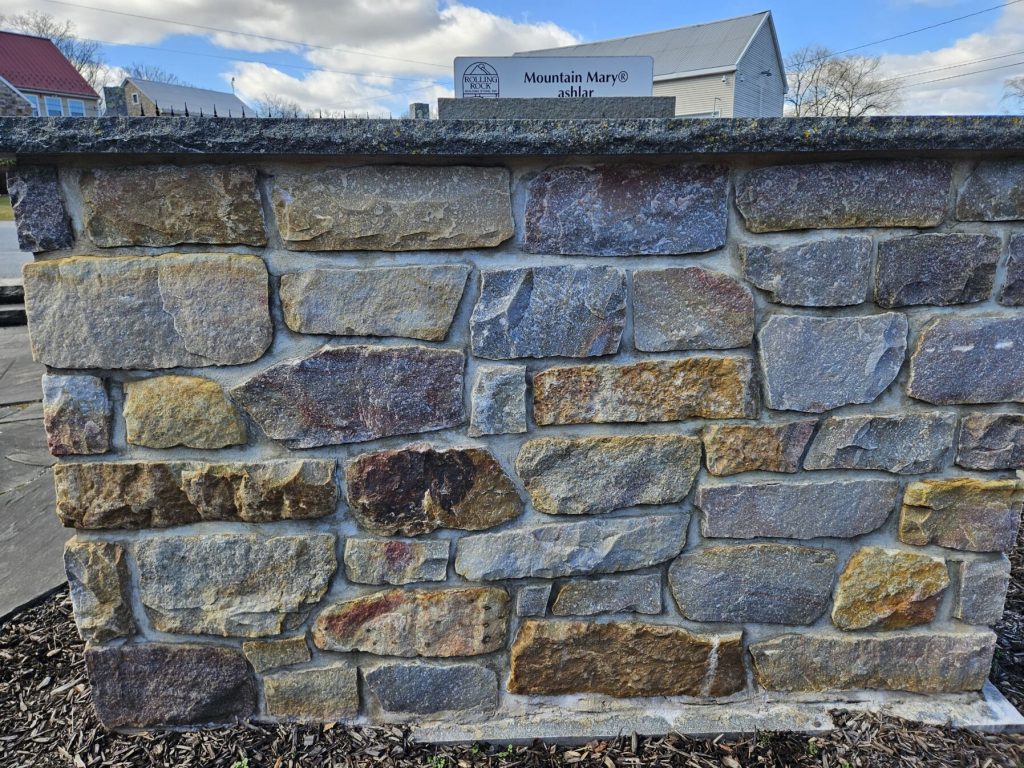
Natural stone is not stamped out on an assembly line. It originates from active geological formations where mineral composition, veining, density, and color tone shift as saws advance deeper into the ledge. In our vocabulary, a “match” indicates material that is compatible and harmonious in quality, dimension, and palette—it never means carbon-copy identical. Embracing these natural variations is foundational to working with genuine stone.

The Mason’s Eye Shapes the Finished Wall

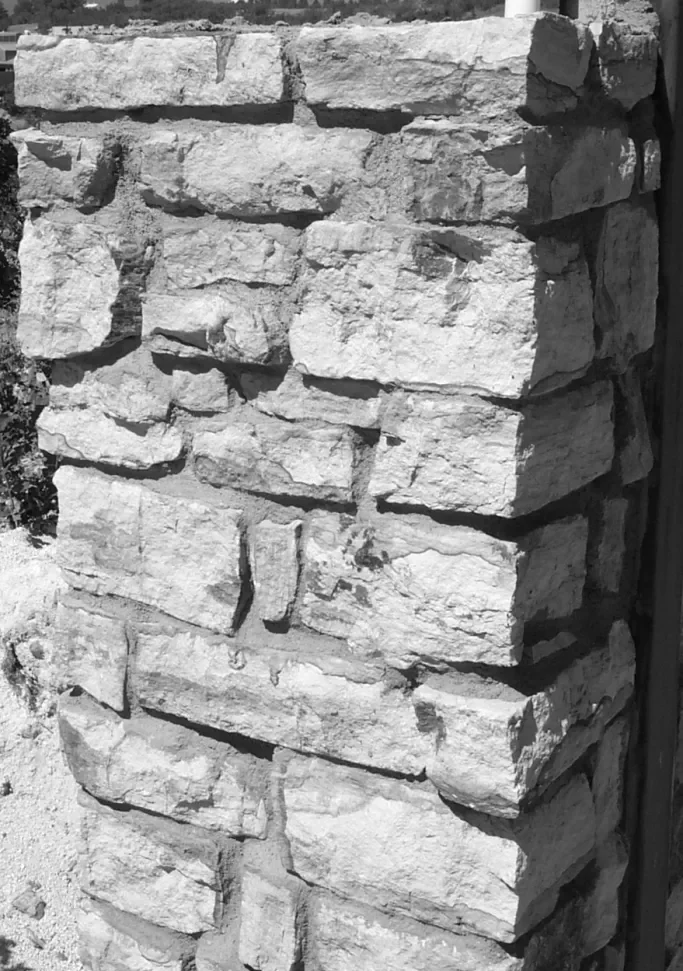
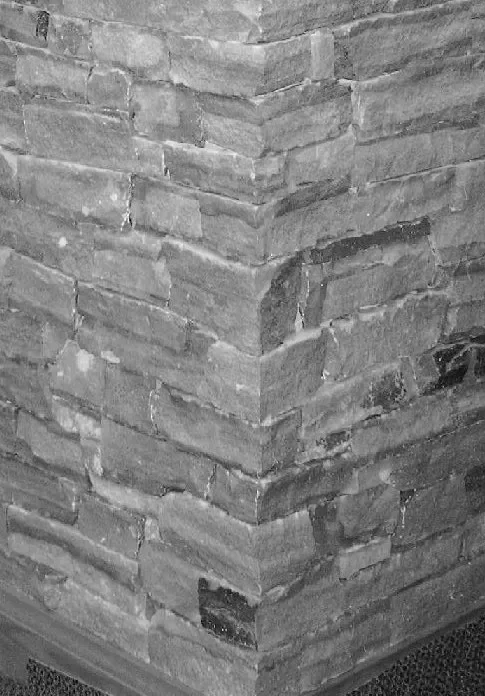
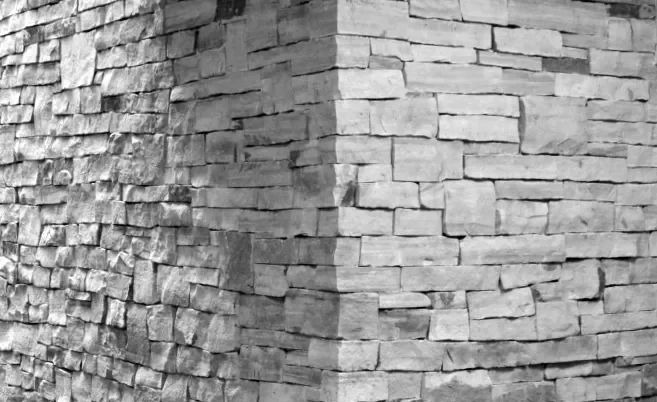
Stone is the raw material; masonry is the craft. Every mason contractor brings a distinct technique to sorting, blending, tooling, and shaping stone on the scaffold. Two crews working from the exact same pallet will produce distinct visual textures based entirely on how they split pieces, arrange joint lines, and blend face tones. If a crew sets aside darker pieces or unique face characteristics instead of pulling and blending across multiple crates, the final balance of the installation shifts dramatically. This is why a job-site mockup wall—built by the actual crew using the specified mortar and tooling—remains the ultimate benchmark of ground truth before the first production course is laid.

The Mortar Matrix Defines the Face

Stone is only one element of the wall assembly. The color of the sand, the selected cement, factory-bagged mixes, and pigment additives heavily influence the perceived color of the entire facade. Equally critical is joint profile and tooling depth. A raked joint casts deep shadows that emphasize individual stones, while a flush or over-grouted joint softens edges and pulls mortar color directly across the field.

Field Handling and Chemical Awareness

How stone is managed once it hits the jobsite dictates its long-term life. We consistently advise against using harsh chemical washes, unapproved cleaners, or non-potable wash water on natural stone. Aggressive acids and surface sealers can etch mineral faces, cause permanent discoloration, and compromise natural breathability. Clean water, a stiff natural-bristle brush, and tidy scaffold practices protect the material’s true character.

Guarding Material Integrity

Occasionally, on-site variation isn’t geological at all—it occurs when an unvetted substitute slips onto the jobsite. We work directly alongside architects, resellers, and installers to confirm that what was chosen and planned matches the actual pallets arriving at the gate. Open lines of communication keep the supply path clean, accountable, and transparent.

Stewardship in Practice

Achieving an exceptional installation is never about fighting the natural character of stone; it is about anticipating the variables with care and executing with grit on the jobsite.

Whether you are planning a commercial facade, setting stone on the wall, or selecting material for a home, our focus remains the same: providing the steady guidance, inventory clarity, and field-tested trade insights needed to get it done right the first time.

Reach out to our team to discuss your project plans, review current quarry runs, or look at mockups and blend samples together.
In our world, stewardship means dealing in physical reality, not sales talk. When we talk with architects, designers, masons, landscape contractors, resellers, builders, and homeowners about choosing materials for permanent builds, our perspective is straightforward: manufactured concrete products serve a purpose in the market, but they simply do not compare to the geological density, full-thickness integrity, and enduring value of authentic natural stone.

We see the difference everywhere we work—from the ledge in the quarry and the saws on our production line, to the job site enduring decades of harsh freeze-thaw cycles. Below is our field-tested breakdown of how natural stone performs when permanence is the goal.

1. Architectural Facing: Full-Thickness Stone and Adhered Thin Veneer

A facade must endure decades of severe weather without losing its character. We supply two primary forms, each delivering genuine geological strength:

  • Full-Thickness Building Stone: This provides authentic bed depth and true structural mass. When a mason dresses or splits a piece on the scaffold, the newly exposed face carries the exact same grain, mineral composition, and integral color formed over millions of years.
  • Adhered Thin Veneer: We saw our thin veneer directly from full-thickness stone, giving you identical visual depth, texture, and prestige at a fraction of the weight. Because the mineral matrix runs all the way through, a job-site cut or accidental chip reveals solid color—never a hollow or different-colored core.

The Concrete Alternative: Manufactured veneer relies on surface dyes and molded textures sprayed over a standard gray cement paste. Over years of weathering, surface pigments fade with manufactured concrete veneers. Worse, any field cut, chisel mark, or nick exposes the underlying gray concrete core.

2. Wall Stone: Natural Mass vs. Repetitive Patterns

Freestanding and retaining walls should anchor the ground through weight, gravity, and organic line.

  • Our natural wall stone delivers distinct structural mass and natural tonal shifts, ensuring no two builds ever look identical. As the wall weathers, it settles into its surroundings and gains character with age.
  • By contrast, modular concrete block systems rely on repeating stamped patterns that feel rigid, industrial, and artificial in a custom landscape.

3. Structural Retaining: Natural Boulders vs. Precast Modular Blocks

When managing grade changes, heavy erosion control, or large-scale retention, material mass dictates performance:

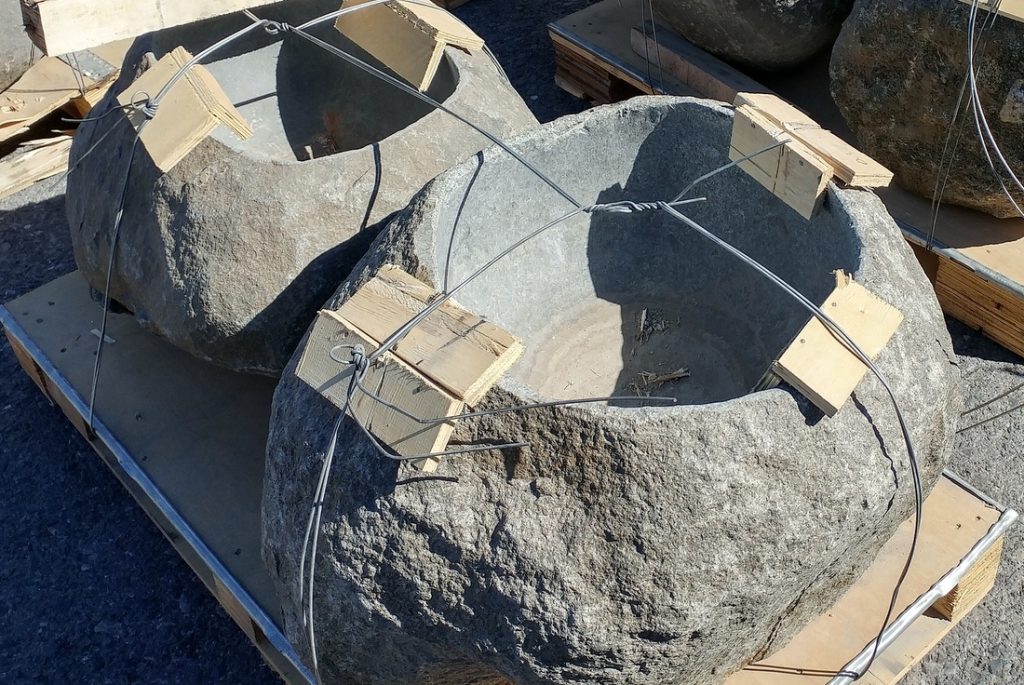
  • Natural Structural Boulders: Massive natural stone boulders bring dense, interlocking weight that works with the terrain. Being solid geological formations, they will not crumble, fissure, or lose integrity from freeze-thaw water pressure. They belong in the landscape and grow more distinguished as decades pass.
  • Precast Modular Blocks: Precast systems stack fast with heavy machinery, but they often leave residential and commercial properties with a cold “highway barrier” look. Over wet winters, large concrete block walls frequently face joint shift, efflorescence, and micro-fissuring as moisture works into the aggregate.

4. Steps and Treads: Standing Up to the Freeze-Thaw Cycle

  • Horizontal step treads face the most punishing physical wear—continuous moisture, foot traffic, and rapid freezing.
    We select high-density, low-porosity geologies—including metamorphic quartzites, dense granites, quartz-bonded sandstones, and premium hard limestones. These tight mineral structures resist the micro-cracking, spalling, and crumbling caused by freeze-thaw expansion.
  • By contrast, cast concrete steps are naturally porous. Repeated freeze-thaw cycles and winter salts break down the cement binder, leading to surface scaling and premature degradation.

5. Patios, Walkways, and Living Spaces

A horizontal living surface must handle foot traffic and hard weather while extending the living area naturally.

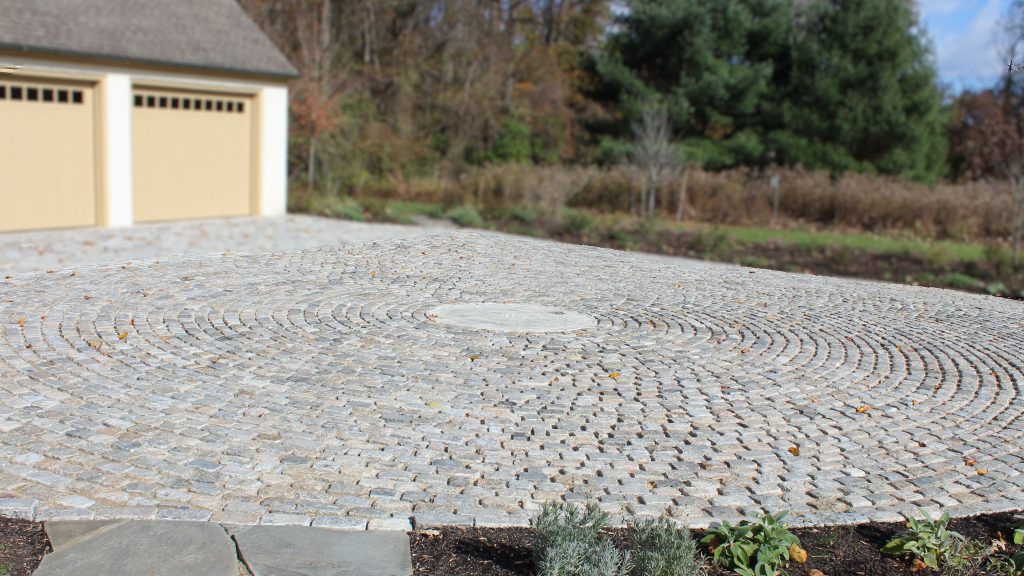
  • Natural flagstone and paving materials provide authentic texture, mineral veining, and subtle natural clefts that factory molds cannot mimic. High-density stones hold up against snow loads and ice without breaking down, developing an authentic patina over time.
  • Manufactured pavers tend to show their age prematurely. Snow equipment, foot traffic, and winter weathering scour the thin topcoat of colored aggregate on manufactured pavers, exposing the plain gravel-and-cement mix beneath.

Our Standard in Practice

We respect the craftsmanship of trade professionals who work across all types of materials to meet client demands. Whether you are an architect detailing a vision, a landscape contractor, mason, or builder executing on the site, or a homeowner planning a multi-generational property, our commitment is steady: supplying genuine natural stone backed by field-tested guidance.

Let’s talk about your next build. We can walk through current runs in the yard, verify material availability, and help you select stone built for permanence.

In the natural stone industry, generic promises are common, but they rarely translate to the quarry floor, the cutting saw, or the jobsite. True industry stewardship isn’t built on corporate slogans; it is driven by a practical cause-and-effect chain that dictates how we quarry, source, process, and deliver.

The following Core Values represent the ground truth of Rolling Rock’s daily operations. Each of these Values naturally demands and reinforces the next.

Grit: The Execution

Because we care about the outcome, grit is non-negotiable. Natural stone extraction and fabrication are demanding; we confront those realities with relentless discipline. Grit powers through fluctuating quarry yields, volatile global shipping lanes, tight project deadlines, and the mechanical wear of diamond-sawing dense material. We do not look for shortcuts around heavy, irregular goods. That persistent drive pushes through technical hurdles to protect final material performance.

Steadiness: The Result

When grit is applied consistently day after day, steadiness is the natural outcome. We build enduring operations through dependable actions, stable partnerships, and predictable supply. Steadiness cannot be faked—it must be earned through the care and grit that underpin it. By repeatedly resolving friction behind the scenes, we offer reliable consistency in inventory, clear expectations, and stability that masons, resellers, and specifiers can rely on for decades.

Care: The Catalyst

Everything begins and ends with care. We operate under the simple conviction that our customers, trade partners, and teammates matter. Care permeates our daily habits—from how we evaluate raw stone assets to the field-tested guidance we share to prevent installation failures on the wall or underfoot. Without genuine stewardship, there is no motivation to endure the physical and logistical friction of heavy manufacturing. Care is the catalyst that sets our entire operation in motion.

The Ground Truth

Grit, Steadiness, and Care are not isolated ideals; they are a linked discipline. With Grit as daily execution, Steadiness as the hard-won standard, and Care as the foundation, every piece of stone leaving our yard stands on verified material integrity and operational follow-through.

Rolling Rock Building Stone, Inc. is excited to announce our new blog coming soon! Check back later for posts, tools of the trade, inspiration and ideas, and more. In the meantime, take a look at our large selection of building stone, thin veneer stone, landscape stone, and specialty cut stone.